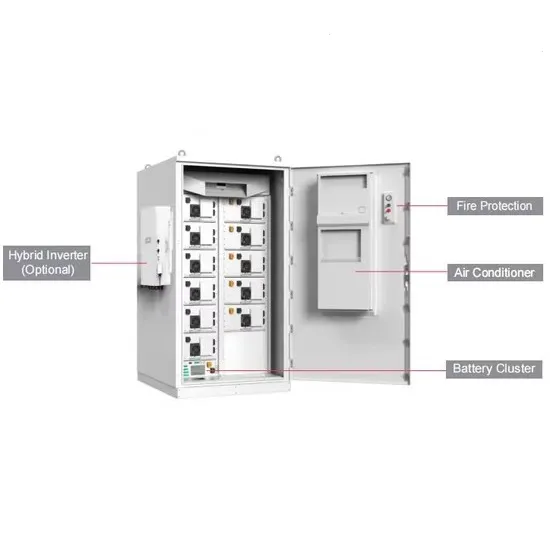
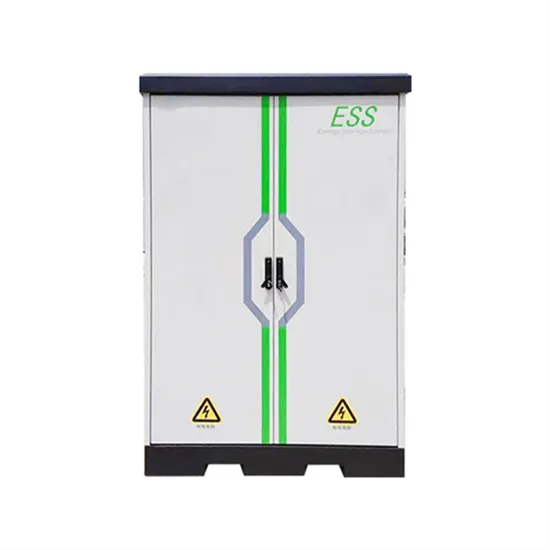
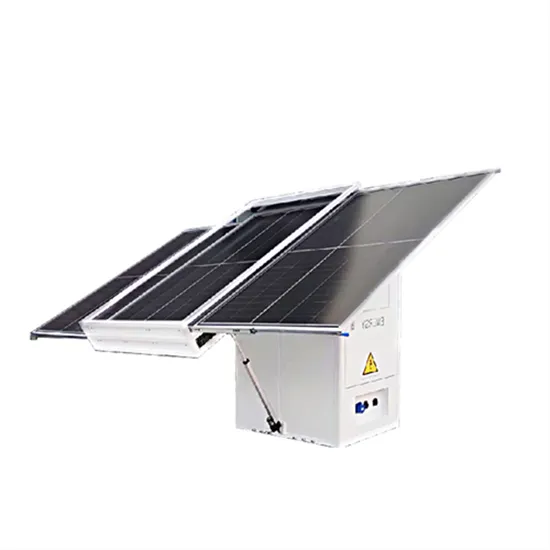
Storage systems represent one of the key solutions for improving the reliability of electricity networks as there is an increase of intermittent electricity generated especially by photovoltaic (PV) systems. The cost and.
Read MoreDownload files
Saudi storage projects are priced between USD 73/kWh & USD 75/kWh, compared to global average of USD 165/kWh in 2024, lowering battery storage costs outside China. Read MoreDownload files
The €100M project, led by Baltic Storage Platform, will deliver some of Europe’s largest battery storage complexes with a combined capacity of 200 MW and a total storage capacity of 400 MWh, putting Estonia in the best spot for efficient energy use. Read MoreDownload files
The company revealed that the Levelised Cost of Storage (LCOS) for an eight-hour vanadium flow battery-based energy storage system (VFB BESS) has been refined to AUD 214 per megawatt-hour (±30%). Read MoreDownload files
Accelerating the planning and development of a new power system that is more renewable energy-based is a strategic priority of achieving “dual carbon” goals (peaking carbon emissions before 2030 and becoming.
Read MoreDownload files
Swissolar estimated the average price of battery storage systems at $115 per kilowatt-hour in 2024, making them more affordable for homeowners. Read MoreDownload files
With prices dropping 89% since 2010 (BloombergNEF), lithium-ion dominates Zambia energy storage quotations. A 1MW/4MWh system now costs ~$550,000—cheaper than building a new coal plant! Pro tip: Pair with Zambia’s abundant solar for maximum ROI. Need 12+ hours of storage? Read MoreDownload files
The global imperative of achieving carbon neutrality by 2050 to mitigate climate change has intensified the focus on the energy sector, given its significant contribution to GHG emissions. Like many other countr.
Read MoreDownload files
“But storage is expensive!” we hear you cry. True – a typical 10kWh system costs €6,000-€8,000. But with Slovakia’s new Green Homes subsidies covering up to 50%, plus energy bill savings? Most users break even in 4-7 years. Read MoreDownload files
The Government of Pakistan renewable energy (RE) policy envisages generating 60 percent of the country’s energy from renewable resources by 2030. The ambitious target provides several opportunit.
Read MoreDownload files
The government offers several incentives to stimulate investment in solar energy storage. These include the Investment Subsidy for Small and Large Solar PV Systems and the One-Off Remuneration (EIV) for solar PV systems, which provides a one-time payment to help offset installation costs. Read MoreDownload files
The cost of electricity supply includes the costs of supplying electricity, which are influenced by market and ARENH prices. Sales and marketing costs vary according to the structure of each supplier, with signific.
Read MoreDownload files