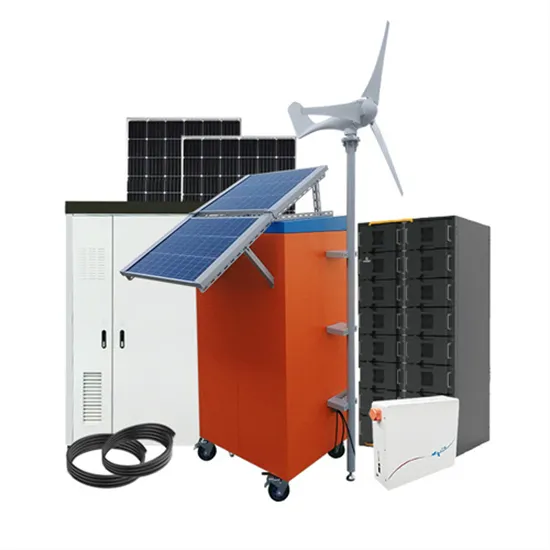
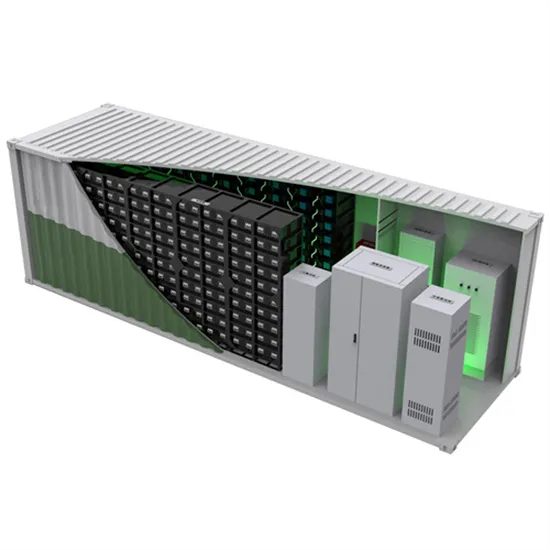
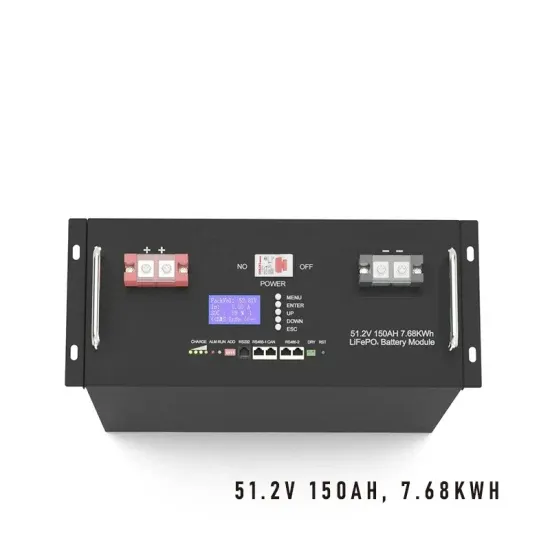
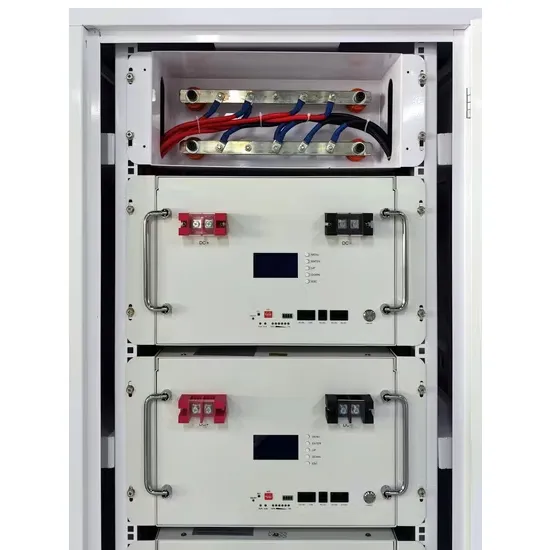
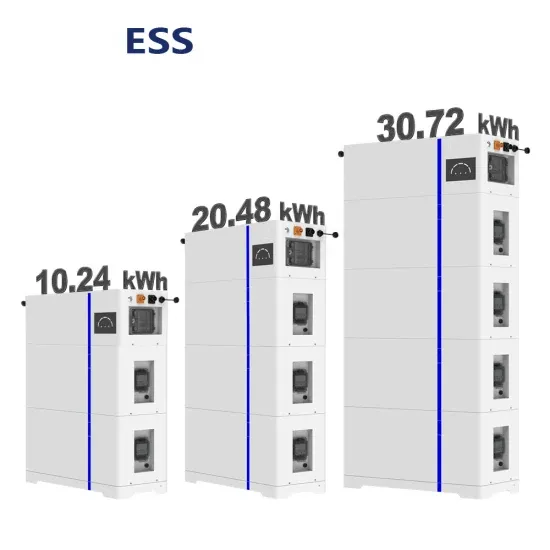
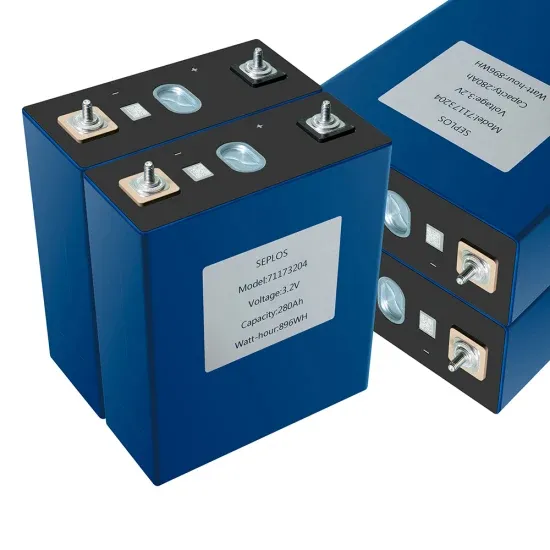
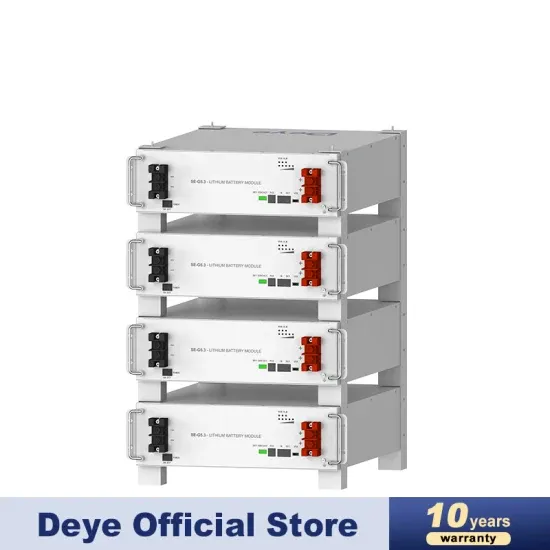
Lithium iron phosphate is an inorganic grey-black coloured compound which is insoluble in water.it is widely used to make lithium-ion batteries because of its good electrochemical performance and lower resistance..
Read MoreDownload files
With the promotion of renewable energy utilization and the trend of a low-carbon society, the real-life application of photovoltaic (PV) combined with battery energy storage systems (BESS) has thrived recently. Cost–be.
Read MoreDownload files
The €2 billion investment positions the country as Europe's "energy savings account" - storing surplus solar power from Mediterranean neighbors and wind energy from North Sea turbines. What makes this project unique? Three words: cross-border energy arbitrage. By leveraging: Read MoreDownload files
Energy storage systems (ESS) are increasingly deployed in both transmission and distribution grids for various benefits, especially for improving renewable energy penetration. Along with the industrial acceptanc.
Read MoreDownload files
Recent industry analysis reveals that lithium-ion battery storage systems now average €300-400 per kilowatt-hour installed, with projections indicating a further 40% cost reduction by 2030. Read MoreDownload files
The 2030 outlook for the battery value chain depends on three interdependent elements (Exhibit 12): 1. Supply-chain resilience. A resilient battery value chain is one that is regionalized and diversified. We envision.
Read MoreDownload files
As the world's largest single-unit lithium manganese iron phosphate production line, the project has a total investment of 485 million yuan in the first phase and is planned to be built in three phases. Read MoreDownload files
The call has a total budget of 44 million euros from Slovakia’s EU r ecovery and resilience plan (RRP), with the maximum grant for a single project ranging from 850,000 euros to 12 million euros. Read MoreDownload files
The estimated cost of the project is about 1.2 billion excluding interest during the construction period. NEA plans to raise 30 per cent of the total cost from equity and 70 per cent from loans. The project will generate 4.53 billion units of energy annually. Read MoreDownload files
Global demand for Li-ion batteries is expected to soar over the next decade, with the number of GWh required increasing from about 700 GWh in 2022 to around 4.7 TWh by 2030 (Exhibit 1). Batteries for mobility appli.
Read MoreDownload files